Costa Rica 2026
What can one write about Costa Rica that has not already been said?
We arrived in what we call summer, carrying that season with us like an assumption. But in Costa Rica, verano belongs to another part of the year. By the local calendar it was the beginning of the green season, when the first rains return and the land, almost imperceptibly, remembers water. It was a gentle reminder that seasons are not universal truths. They are agreements made between a place and the sky above it.
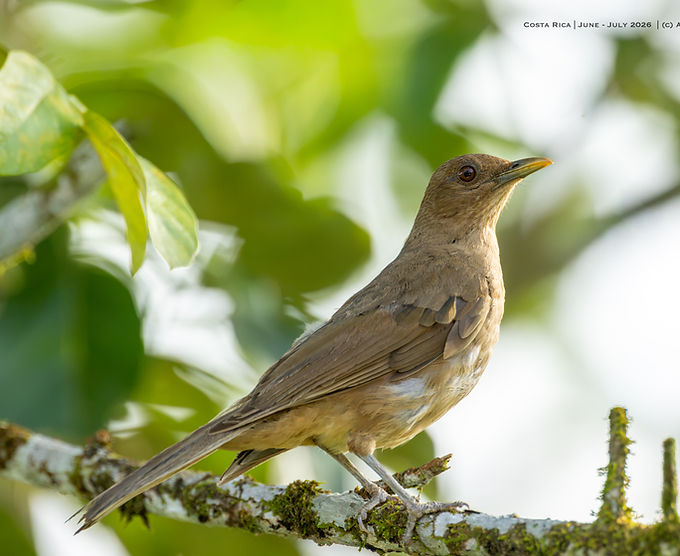
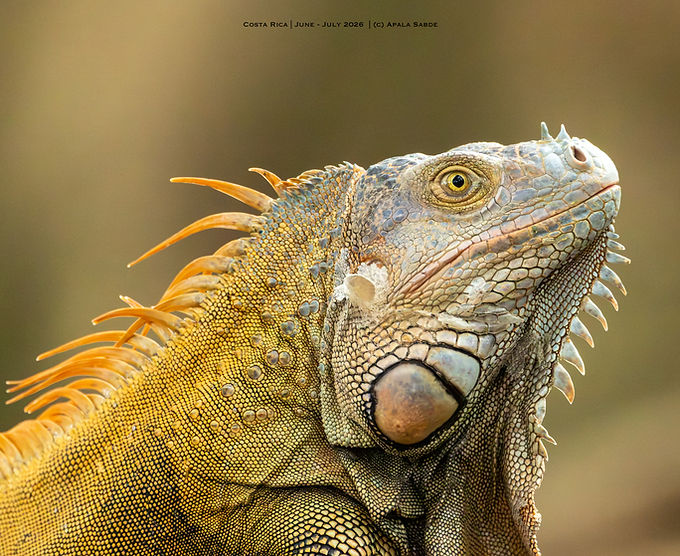
We were drawn to Costa Rica for the wildlife. What stays with us is not any single animal, though we saw more than we imagined possible. It is the overwhelming presence of life itself. Costa Rica seems unwilling to leave any space unoccupied. Mammals move through the forest edge. Birds announce themselves from every layer of the canopy. Frogs emerge with the rain. Ants redraw the ground beneath your feet. Beetles, spiders, moths, and creatures without names known to most travelers carry on lives of astonishing complexity just beyond ordinary attention.
It would be easy to say the country is abundant. But abundance is not quite the right word. Abundance suggests excess. What exists there feels instead like completeness, as though every niche the landscape can offer has been accepted by something living.
The surprise is not that these lives are present. It is how little effort is required to encounter them. A hotel walkway. A roadside ditch filling with rain. The wall beside a restaurant. The branch above a parking lot. Life does not wait for you at the end of a difficult trail. It goes about its work everywhere, asking only that you slow down enough to notice.
Perhaps that is what Costa Rica offered us most. Not rare sightings, but a different measure of attention. It suggested that the world has always been this full, and that what we often mistake for absence is simply the limit of our own seeing.